Dubai is a bustling metropolis known for its extravagant lifestyle and architectural marvels. However, many private security companies operate in Dubai, and this raises questions about safety. This article delves into the various aspects of safety in Dubai, including the current security crisis stemming from the US-Israel military operation against Iran, general safety measures, the threat of terrorism, pickpocketing and scams, adherence to Sharia law, and environmental safety. We will also explore the at-risk groups and identify safe and unsafe areas. If you are considering living or visiting Dubai, stay tuned for valuable tips to help ensure your safety.
URGENT: The US-Israel War on Iran and Its Impact on Dubai (March 2026)
As of March 2026, Dubai and the wider UAE face an unprecedented security crisis following the coordinated US-Israeli military strikes on Iran that began on 28 February 2026. Iran has retaliated with sustained barrages of ballistic missiles and drones targeting Gulf states hosting US military bases, and the UAE has been among the most heavily targeted nations.
Current Situation
Since the Iranian strikes began on 28 February, the UAE has intercepted hundreds of ballistic missiles and over a thousand drones. While the vast majority of incoming threats have been neutralised by air defence systems, interception debris and falling projectiles have struck populated areas in both Abu Dhabi and Dubai, causing damage to civilian infrastructure, starting fires, and resulting in civilian casualties. As of 10 March 2026, at least six people have been killed and over 120 injured across the UAE, with casualties reported among nationals of Pakistan, Nepal, Bangladesh, the UAE, and many other countries.
Notable incidents in Dubai include:
- A Shahed-type drone striking near the Fairmont The Palm Hotel on Palm Jumeirah, causing a large explosion, fire, and injuries from debris and blast effects.
- Falling debris from intercepted objects damaging the iconic Burj Al Arab hotel.
- Dubai International Airport being struck by a suspected air strike, injuring staff and forcing a temporary evacuation. The airport has been forced to close on multiple occasions.
- A fire at Jebel Ali Port caused by debris from aerial interceptions.
- The US Consulate in Dubai being targeted by a drone strike, causing a fire.
- Smoke rising from the 23 Marina tower in Dubai Marina after it was hit by falling debris from an intercepted object.
- A civilian killed in Al Barsha when falling debris struck a vehicle.
Travel Advisories
Multiple governments have issued their highest-level travel warnings for the UAE:
- United Kingdom: The FCDO has advised against all but essential travel to the UAE, including Dubai, due to the heightened risk posed by the ongoing conflict. British nationals in the UAE have been advised to shelter in place and register their presence with the FCDO. The UK government has been drafting contingency plans to evacuate tens of thousands of stranded Britons.
- Australia: DFAT raised its advice for the UAE to “do not travel” on 28 February. Australian officials are sheltering in place during strikes. The Australian Embassy in Abu Dhabi and the Consulate-General in Dubai are physically closed to the public.
- United States: The US State Department has urged immediate departure from 14 countries in the region, including the UAE, and has facilitated charter flights for stranded Americans.
If your presence in the UAE is not essential, governments strongly recommend departing if you can do so safely. Flight schedules remain disrupted and airspace may open or close at short notice.
Shelter-in-Place Guidance
If you are currently in Dubai, follow all instructions from local authorities, including shelter-in-place orders during strikes. Upon hearing an air raid siren or receiving a warning alert, move immediately to the nearest building or shelter. Stay away from windows and exterior walls. Avoid government, military, or energy infrastructure, including oil production facilities. Avoid US diplomatic missions and other locations associated with US interests. Ensure you have access to emergency supplies, food, water, and essential medications.
Critical Warning: Photography and Social Media Restrictions
The UAE authorities have imposed strict and heavily enforced rules around the documentation and sharing of military-related events. Foreign nationals must be especially careful, as violations carry severe penalties including fines of up to AED 200,000 (approximately $54,450/£43,000), imprisonment, and deportation.
You must not:
- Photograph or film missile interceptions, drones, air defence activity, or military operations.
- Photograph or film damage caused by projectiles, debris, or shrapnel at any incident site.
- Take photographs or videos inside airports during the crisis.
- Film or photograph military installations, government buildings, or security deployments.
- Share, repost, or circulate any footage or images of strikes, interceptions, damage, or military activity on social media or messaging apps.
- Post commentary about the conflict, regional politics, or security matters that could be deemed harmful to public order or national security.
- Share unverified information, rumours, or AI-generated content about the situation.
The UAE Attorney-General has explicitly warned that photographing incident sites or damage caused by falling projectiles or shrapnel can incite public panic, undermine authorities’ response efforts, and reveal the positions of defensive military installations. Dubai Police have sent SMS warnings to all residents and visitors, reinforcing these rules. Under the UAE’s Cybercrime and Rumours Law (Federal Decree-Law No. 34 of 2021), spreading false news or misleading reports during crises can result in a minimum of two years in prison. Even seemingly innocent social media posts expressing fear, frustration, or political opinion may breach the law. Your home country’s free speech protections do not apply in the UAE.
The UAE has also reimposed a total ban on all civilian drones and light sports aircraft. Compliance is mandatory, and violations carry legal consequences.
Expat Exodus and Economic Impact
The conflict has triggered a significant exodus of foreign nationals from Dubai, with private jet evacuation costs reaching as high as $250,000. Many commercial flights remain disrupted or operating at reduced capacity. Some expats have left pets behind in the rush to flee, creating an animal welfare crisis. Dubai’s carefully cultivated reputation as a safe haven for the global elite and the broader expatriate community has been severely shaken by the events of this conflict.
General Safety in Dubai
Note: The following sections describe Dubai’s safety profile under normal, peacetime conditions. Given the current conflict situation described above, travellers should consult their government’s travel advisory before making any plans to visit the UAE.
Under normal circumstances, Dubai is known for being one of the safest cities in the world, with a low crime rate and strict enforcement of the law. The presence of a large foreign population, as well as the threat of deportation for committing crimes, deters potential criminals.
Additionally, there is a strong police presence in tourist areas and CCTV cameras that line the streets, providing an added layer of security. While petty crimes such as pickpocketing may occur, they are relatively rare.
Overall, Dubai is considered a remarkably safe city in peacetime, allowing residents and visitors to feel at ease in crowded places and during nighttime outings. However, it is vital to be aware of and respect the local laws and regulations, particularly regarding sensitive topics such as alcohol and LGBTQ+ rights.
Threat of Terrorism in Dubai
Even prior to the current conflict, Dubai remained at risk for terrorist attacks, with potential targets including hotels, restaurants, shopping malls, and other areas with large crowds. The threat of terrorism in Dubai has always been a significant concern for residents and tourists.
The ongoing military conflict has dramatically elevated the threat level. Iranian strikes have directly hit civilian infrastructure, including five-star hotels, airports, residential towers, and ports. While these are state-level military attacks rather than terrorism in the traditional sense, the practical danger to civilians is severe and ongoing.
Government agencies recommend that potential targets of terrorism vary routes and times for all required travel and cautiously treat mail and packages from unfamiliar sources. Being aware of one’s surroundings is essential in mitigating potential risks. In the current environment, this vigilance is more important than ever.
Pickpocketing and Scams in Dubai
Pickpocketing and scams pose potential risks to individuals in the bustling streets of this cosmopolitan city. While Dubai is generally considered safe, it is not immune to petty crimes such as pickpocketing, scams, and theft. Tourist areas, like Jumeirah Beach, are particularly susceptible to these crimes. Individuals must remain vigilant and aware of their surroundings, closely monitoring their belongings.
Additionally, credit card fraud, fraudulent text, call, and online scams are common in Dubai, with various schemes such as real estate, romance scams, money transfers, immigration, police fines, and fake lottery winnings targeting unsuspecting individuals. Along with individuals claiming to work for big brand businesses and handing out business cards to lure you to their car or business to make a purchase or order. Such as the infamous ‘fake Armani man’ who claims to be lost, needs money to buy an iPhone for his wife, then tries to sell you some expensive fake Armani suits. It is advisable to exercise caution when sharing personal information online or on the phone and to verify the legitimacy of any offers or opportunities before providing any financial or personal details.
Conflict-related scams: Be especially alert to scams exploiting the current crisis, such as fraudulent evacuation services, fake embassy communications, or phishing messages claiming to offer emergency flights or visa assistance.
Sharia Law and Prohibitions
Visitors to Dubai must familiarise themselves with the strict prohibitions of Sharia law, as transgressions of these regulations can result in severe penalties. Although the Sharia Court only deals with offences by Muslims, visitors must obey laws rooted in the Sharia system. It is essential for tourists to be aware of these laws and to respect local customs and traditions when visiting the country.
Here are three key prohibitions to keep in mind:
- Same-sex relationships: Same-sex relations are strictly prohibited in Dubai, and engaging in such activities can lead to imprisonment.
- Public displays of affection: Displaying public affection, regardless of sexual orientation, is unacceptable in Dubai. Tourists should refrain from any form of PDA to avoid any legal consequences.
- Criticising the government: Dubai has strict laws against criticising the government, especially on social media. Visitors should exercise caution and avoid any negative comments or posts about the government to prevent legal repercussions. This is especially pertinent during the current conflict, where online commentary about the security situation or government response can result in prosecution.
Environmental Safety in Dubai
Dubai faces several environmental safety challenges. Extreme climate conditions, including high temperatures and air pollution, pose risks to the well-being of residents and visitors. The coastal areas are also prone to dangerous currents, highlighting the need for swimming safety measures.
Climate Safety
Visitors to Dubai should be aware of the extreme temperatures and take necessary precautions, especially during the scorching summer months. Dubai’s desert location means that temperatures regularly exceed 120 degrees Fahrenheit and humidity is high.
To ensure a safe and enjoyable visit, consider the following:
- Wear lightweight clothing to stay cool and comfortable.
- Stay hydrated by drinking plenty of water throughout the day.
- Limit outdoor activities during the hottest hours of the day and seek shelter in air-conditioned spaces.
While Dubai offers respite from the extreme heat during the winter months, with cooler temperatures ideal for outdoor excursions, it is essential to be well-prepared when visiting during the summer. By taking these precautions, visitors can better enjoy their time in Dubai while staying safe in the challenging climate.
Swimming Safety
Water conditions and currents in Dubai can pose a significant risk to swimmers, necessitating a thorough understanding of swimming safety measures. The waters bordering the UAE are known for rip currents that can drag swimmers out to sea, even experienced ones. Being aware of red flags and riptides when spending time on the beach is important. Additionally, water pollution can make swimmers sick, making it advisable to stick to hotel pools.
Desert Safety
The Dubai desert, although mesmerising, can be unforgiving if proper safety measures are not followed. Here are three essential safety tips to keep in mind before exploring the desert:
- Pack appropriately: Wear lightweight, loose-fitting clothing that protects you from the sun. Don’t forget to apply sunscreen and bring enough water to stay hydrated.
- Be prepared: If embarking on a solo excursion, ensure you have extra water and food, hydration tablets, a spare tire, and appropriate camping gear if staying overnight. The desert lacks infrastructure, and phone service may be intermittent.
- Watch out for wildlife: While large predators are not common in the Dubai desert, be cautious of venomous creatures such as vipers, scorpions, and spiders endemic to the region.
Conflict note: During the current hostilities, desert excursions outside urban areas carry additional risks. Falling debris from intercepted missiles or drones can land in unpopulated areas, and emergency services may be slower to respond in remote locations.
Natural Disasters in Dubai
Dubai experiences a relatively low frequency of natural disasters, with only occasional sandstorms and thunderstorms posing potential risks to the city’s environment and safety.
High temperatures, reaching above 50°C, are a major concern in Dubai. These extreme temperatures can pose health risks to residents and visitors alike. Sandstorms are also common, with the blowing sands reducing visibility and causing damage to property and infrastructure. Thunderstorms, although infrequent, can be accompanied by heavy rainfall, leading to localised flooding in low-lying areas.
Despite these risks, Dubai has taken measures to mitigate the impact of natural disasters. The city has invested in infrastructure and technology to forecast and respond to extreme weather events, ensuring the safety of its residents and visitors.
Moving Around in Dubai
There are several options to consider when moving around in Dubai. The public transport system, including buses and the metro, is safe and efficient for getting around the city. Additionally, taxis and ride-sharing services like Uber provide convenient, cost-effective alternatives for transportation.
Conflict note: During the current crisis, transport services may be disrupted at short notice. Dubai International Airport has been forced to close multiple times, and flights continue to operate on reduced and unpredictable schedules. Do not travel to the airport unless your airline has confirmed your reservation is operating. Overland routes to neighbouring countries may also be affected.
Traffic and Pedestrian Safety in Dubai
Because of the heat and distances, Dubai is not really a walkable city. There is a high traffic accident rate in Dubai, mainly due to a lack of driving knowledge, excessive speed, and heavily congested roads. This poses a significant risk to both motorists and pedestrians. It is pretty common for drivers to ignore pedestrian crossings. If you are going to drive yourself, be aware that this has led to crackdowns with increased enforcement of traffic regulations.
Public Transport in Dubai
The city offers a range of public transportation options, including buses, trams, and the Dubai Metro. These modes of transport provide convenient and cost-effective ways to navigate the city, allowing passengers to avoid traffic congestion and arrive at their destinations promptly.
Additionally, public transport in Dubai is generally safe, with strict regulations in place to ensure passenger safety. However, passengers must exercise caution, especially when using taxis or ride-sharing services. It is advisable only to use licensed taxis and to avoid accepting rides from strangers. Female passengers can also avail themselves of dedicated taxis driven by women, which can be identified by their pink roofs.
Driving in Dubai
Dubai is a city known for its fast-paced lifestyle, and this is reflected in the driving style and culture. Dubai has massive highways that can be intimidating at first. Still, there are helpful traffic signs in both Arabic and English to guide unfamiliar drivers. However, you should follow the rules and regulations to ensure road safety. It is illegal to tailgate, break the speed limit, street race, lane hop or use a mobile phone while driving in Dubai. Dubai is cracking down on driving violations, and violations can lead to fines, imprisonment, and vehicle impoundment.
Groups Most at Risk in Dubai
When it comes to safety in Dubai, certain groups may face higher risks than others. Women travellers, LGBTQ+ travellers, BIPOC travellers, solo travellers, and HNW individuals and families all have unique considerations while visiting the city. Understanding these risks and taking necessary precautions can help ensure a safe and enjoyable experience in Dubai.
During the current conflict, all foreign nationals face elevated risks. Civilian casualties in the UAE from the Iranian strikes have overwhelmingly been foreign nationals, particularly migrant workers from South Asia and other developing countries. Western nationals may also face heightened risks near US diplomatic missions or locations associated with US and Israeli interests.
Women Travellers in Dubai
While Dubai is generally considered a safe destination for women, there are still some important precautions to be taken.
- Dress modestly: While Dubai is more lenient than other emirates, it is still advisable to dress conservatively, especially during Ramadan.
- Be cautious of unwanted attention: some Emirati men may see Western women as easy targets, so it’s essential to stay aware of your surroundings and avoid being overly friendly with strangers.
- Practice good safety habits: do not accept drinks from strangers, do not leave drinks unattended, and avoid walking alone at night.
LGBTQ+ Travellers in Dubai
There are several legal and social challenges faced by LGBTQ+ travellers in Dubai, making it a particularly high-risk destination for this group. The United Arab Emirates has some of the strictest laws surrounding LGBTQ+ rights. Although people in Dubai are more likely to turn a blind eye, Dubai is no exception. Every type of same-sex act is illegal and punishable by severe measures, including fines, deportation, and imprisonment. LGBTQ+ travellers must remain discreet and avoid public displays of affection, as all forms of PDA, including holding hands, are illegal. Trans travellers may also face difficulties at the airport if local officials do not recognise their gender. Wearing clothes that don’t correspond to your sex assigned at birth is illegal. LGBTQ+ travellers need to be cautious and consider their safety before visiting Dubai.
BIPOC Travellers in Dubai
Dubai may seem cosmopolitan as a highly diverse city with a large foreign-born population. However, discrimination can still exist, mainly on the basis of nationality. Citizens of Western countries often enjoy privileges not extended to citizens of non-Western nations. This capriciousness of the law can be applied indiscriminately, making it essential for BIPOC travellers to understand and comply with local regulations.
The challenges faced by BIPOC travellers in Dubai include:
- Potential discrimination based on nationality.
- Stricter punishments for illegal activities than those for citizens from Western countries.
- Increased need to be aware of and adhere to the local laws and social norms to avoid trouble.
Understanding these challenges can help BIPOC travellers navigate their experiences in Dubai with caution and respect.
Conflict note: The current crisis has disproportionately affected migrant workers and nationals from developing countries. All civilian fatalities in the UAE from the Iranian strikes have been foreign workers from Pakistan, Nepal, and Bangladesh. Those injured include nationals from dozens of countries. Migrant workers in lower-income roles may have fewer resources to evacuate and less access to employer support during the crisis.
Travelling Solo in Dubai
Solo travellers in Dubai may feel more at risk than those travelling in groups. However, they can still enjoy a safe and rewarding experience with proper precautions under normal circumstances. Dubai is generally a safe city for solo travellers, with low crime rates and a strong emphasis on security. The city’s extensive surveillance system, including cameras placed on every street, provides a sense of security, even when walking alone late at night.
However, it is still vital for solo travellers to take precautions to ensure their safety. This includes staying in well-lit and crowded areas, avoiding isolated or poorly lit streets, and being aware of one’s surroundings. Additionally, it is advisable to inform someone of your travel plans and to keep important documents and valuables secure.
During the current conflict, solo travel to Dubai is strongly discouraged by most Western governments.
High-net worth (HNW) Family Safety in Dubai
Dubai offers a variety of family-friendly activities and attractions. Still, it is important to take specific measures to ensure a safe and enjoyable experience.
Here are some key points to consider:
- Keep valuable possessions out of sight and do not flaunt your wealth.
- Do not carry large amounts of cash; keep any cash reserves locked away in a safe.
- Stay hydrated and seek shade during the hottest months to avoid heat-related illnesses.
- Take advantage of the numerous public beaches and resorts with kids’ clubs to keep children entertained.
- Consider bringing your own car seat and pushchair, as they may not be readily available.
Conflict note: The current crisis has prompted a significant exodus of wealthy expatriates and families from Dubai. Private jet evacuation costs have reportedly reached as high as $250,000. Many family offices and wealth managers are reconsidering their footprint in the Middle East. If you have family members in Dubai, ensure they are registered with their home country’s embassy and have an evacuation plan.
Where is Safe and Where isn’t Safe
Like any other place, some areas of Dubai are safer than others. It is essential to be cautious and avoid certain areas, especially at night, to ensure a safe and enjoyable experience.
Important: During the current conflict, no area of Dubai can be considered fully safe from the risk of falling debris from missile and drone interceptions. Strikes and interceptions have affected areas across the emirate, including Palm Jumeirah, Burj Al Arab, Dubai Marina, Al Barsha, Jebel Ali, and the area around Dubai International Airport.
Safest Places in Dubai
Under normal, peacetime conditions, when considering the safest places in Dubai, the following areas are highly recommended:
- Jumeirah Beach: This 11-mile-long stretch of beach is known for its pristine sands and crystal-clear waters, offering a safe and enjoyable environment for residents and tourists alike.
- Madinat Jumeirah: The Souk at Madinat Jumeirah is a popular tourist destination, known for its traditional Arabian architecture and bustling market atmosphere. Visitors can explore the souk and enjoy the cultural experience in a safe environment.
- Palm Island: This iconic man-made island is home to luxury resorts, residences, and entertainment options. With strict security measures in place, Palm Island offers a secure and tranquil setting for residents and visitors.
Overall, Dubai offers a wealth of safe and enjoyable neighbourhoods and attractions, ensuring a pleasant experience for all who visit during peacetime.
Places to Avoid in Dubai
Despite Dubai’s overall safety, there are a few areas residents and tourists should avoid due to their reputations for crime and seediness. These areas include Sonapur, Deira, and Bur Dubai. Sonapur, in particular, is known for housing many international workers and has a higher crime rate than other areas in the city. Deira and Bur Dubai are also areas to avoid, especially for female tourists travelling alone. These areas have a reputation for being seedy.
During the current conflict, you should additionally avoid:
- Areas near US diplomatic missions and locations associated with US interests.
- Military installations, government buildings, and energy infrastructure.
- Airports, unless you have a confirmed flight departure.
- Areas where damage from strikes or debris has occurred.
Nighttime Safety in Dubai
Under normal conditions, a significant majority of residents and tourists in Dubai feel secure at night, with over 95% reporting a sense of safety while walking alone in well-lit areas. This high level of perceived protection is mainly due to Dubai’s strict law enforcement and security measures.
However, it is still important to exercise caution and follow certain guidelines to ensure personal safety, especially for women.
Here are essential tips to enhance nighttime safety in Dubai:
- Travel in groups: Whether you are a resident or a tourist, travelling in groups at night is advisable.
- Avoid eye contact with strangers and don’t appear intoxicated in public.
- Stick to well-lit areas: Always choose well-lit areas to walk and avoid dimly lit or secluded spots. Well-lit areas offer better visibility and reduce the risk of becoming a target for criminals.
- Be aware of your surroundings: Stay alert and conscious at all times. Avoid distractions such as excessive mobile phone use or wearing headphones, as this can make you an easy target. Pay attention to the people around you and trust your instincts if something feels off.
Conflict note: During the current hostilities, air strikes and drone attacks can occur at any time of day or night. If you hear air-raid sirens or warning alerts at night, move immediately to the nearest shelter and follow local authority instructions. Do not go outside to film or photograph military activity.
Is it Safe to Live in Dubai?
Under normal circumstances, with a low crime rate and a strong emphasis on security, Dubai provides a safe environment for residents. The city takes pride in its efforts to maintain law and order, ensuring the safety of its residents and visitors alike.
A diverse population from over 200 nationalities further contributes to the overall sense of security. Additionally, the city’s strict laws and regulations deter crime, making Dubai a relatively safe place to call home.
Furthermore, the availability of modern infrastructure, effective surveillance systems, and well-trained security personnel enhances safety measures. Overall, Dubai’s commitment to ensuring the safety and well-being of its residents makes it an attractive destination for individuals seeking a secure living environment.
However, the current conflict has fundamentally altered the security landscape. The Iranian strikes have shattered Dubai’s long-held reputation as an untouchable safe haven. Foreign nationals considering a move to Dubai should carefully weigh the ongoing regional instability and the possibility that the conflict could escalate further. Those already resident should register with their home country’s embassy, maintain an up-to-date evacuation plan, and keep essential documents and emergency supplies readily accessible.
Tips for Staying Safe in Dubai
When visiting Dubai, you must be aware of specific safety tips.
Alcohol
During your visit to Dubai, it is essential to adhere to the strict regulations surrounding alcohol consumption in order to ensure your safety and avoid any legal consequences. The laws regarding alcohol in Dubai are quite different from those in many other countries. Here are some important points to keep in mind:
- Alcohol can only be consumed in licensed venues such as hotels, restaurants, and bars. Drinking alcohol anywhere else, including public places, can result in arrest.
- Public drunkenness is not tolerated in Dubai. Making a spectacle of yourself while under the influence of alcohol can lead to legal repercussions.
- The legal alcohol limit for drivers in Dubai is zero. It is strictly prohibited to drink and drive, and the penalties for doing so are severe, including imprisonment and deportation.
Cheques
Having the necessary funds available when writing cheques in the UAE is crucial. Written cheques are widely used for larger payments in Dubai, as credit for expatriates can be challenging to obtain. However, bouncing a cheque in the UAE is not tolerated. So, it is imperative to have sufficient funds in your bank account to cover the cheque amount. Writing a rubber cheque can have serious consequences, including potential imprisonment for breaking a financial agreement.
Dress Code
It is important to dress respectfully and avoid wearing clothing that exposes too much skin or includes offensive slogans.
Dubai is a city that values modesty and cultural sensitivity, and visitors need to respect these customs. To ensure compliance with the dress code, consider the following guidelines:
- Avoid wearing clothing that is too short or revealing, such as short skirts or shorts.
- Do not wear see-through materials or clothing that reveals too much flesh.
- Refrain from displaying offensive slogans or graphics on your clothing.
By adhering to these guidelines, visitors can show respect for the local culture and avoid any potential misunderstanding or offence.
Driving Offences
Despite the prevalence of reckless driving in Dubai, adhere to the driving laws and regulations to ensure your safety and avoid potential legal consequences.
While it may be tempting to engage in aggressive driving behaviours such as tailgating, breaking the speed limit, or using a mobile phone while driving, remember that these actions put your life at risk and the lives of others on the road.
Dubai authorities have been cracking down on driving offences and have implemented strict penalties, including fines, imprisonment, and vehicle impoundment. Additionally, using rude language or aggressive hand gestures at any time, including while driving, is considered an offence.
Drugs
While travelling in Dubai, it is imperative to be aware of strict drug laws and regulations to ensure personal safety and avoid severe legal consequences.
Dubai has a zero-tolerance policy regarding drugs, including narcotics, prescription medications, and even over-the-counter medicines. So, familiarise yourself with the rules and regulations before entering the country.
Here are three key points to consider:
- Zero-tolerance: Dubai enforces a strict zero-tolerance policy for drug possession, including drugs in your bloodstream.
- Legal consequences: Getting caught with illegal substances can lead to severe penalties, including imprisonment and hefty fines.
- Transiting passengers: Even if you are just transiting through Dubai, you are still subject to the same drug laws and regulations.
Offensive Gestures and Swearing
Offensive gestures, such as obscene hand signals, are strictly prohibited in Dubai and can result in legal consequences for individuals, especially when directed towards authorities or while driving. Be aware of the following points:
- Offensive gestures can lead to fines or imprisonment for visitors and expatriates.
- Swearing in English or any other language is considered a criminal offence.
- Online behaviour is monitored and can result in legal action if offensive language or gestures are used.
Public Displays of Affection
Engaging in public displays of affection, such as kissing or hugging, is strictly prohibited in Dubai and can lead to fines or imprisonment. Refrain from such behaviour.
While holding hands may be allowed for married couples, it is frowned upon as any form of PDA is seen as inappropriate and offensive.
Visitors should be mindful of these cultural norms and adhere to them to ensure a safe and pleasant experience in Dubai.
Pork
Pork consumption is strictly prohibited in Dubai. Pork products are not allowed to be brought into the country. Any attempt to bring in pork can lead to fines or imprisonment.
Porn
Dubai has strict laws against the possession, distribution, and consumption of pornographic material. Violators can face severe penalties, including imprisonment and deportation.
Photography
It is considered impolite to photograph strangers, and photographing government buildings is prohibited.
- Obtain explicit permission from individuals or authorities before taking a photograph.
- Avoid taking pictures of strangers, even accidentally in the background of a selfie.
- Do not capture images of government buildings without permission.
CRITICAL UPDATE – Conflict-related photography restrictions (March 2026): The UAE has imposed an absolute prohibition on photographing or filming anything related to the ongoing military situation. This includes missile interceptions, drone activity, air defence systems, military vehicles, damaged buildings, debris from projectiles or shrapnel, incident sites, airport interiors during disruption, and any security or military installations. Sharing such footage on social media — even in private messages — can result in fines of up to AED 200,000, imprisonment of two or more years, and deportation. Dubai Police have stated plainly: “It may seem like just a photo… But to some, it’s information.” Footage shared online can reveal the location of defensive military positions and be used to improve the accuracy of future strikes. Do not prioritise social media engagement over your personal safety and legal standing.
Religion
One must be mindful of their actions and adhere to Dubai’s cultural and religious norms, as it is imperative to respect the local customs and practices. In Dubai, the main religion is Islam, and Muslims are called to pray five times a day. It is important not to disturb or disrupt these prayers, especially in a public area outside of a Mosque. Additionally, during the holy month of Ramadan, Muslims fast from sunrise to sundown, and eating, drinking, or smoking in public is considered disrespectful during this time. Expatriates can follow their own religions, but disrespect towards Islam is not tolerated.
Note: As of March 2026, the current conflict has coincided with the holy month of Ramadan. Visitors and residents should be especially respectful of Ramadan observances during this sensitive period.
Sexual Harassment
While exploring Dubai, females must be vigilant and protect themselves from sexual harassment, such as avoiding isolated areas and staying in well-lit public spaces. Although Dubai is generally considered safe for women, incidents of sexual harassment can still occur, especially in bars and clubs. So, practice good safety habits, such as not accepting drinks from strangers, leaving drinks unattended, and not walking alone at night. Additionally, women should consider sitting in the women-only section of public transportation and dressing modestly to avoid unwanted attention. Do not be overly friendly with strange men.
Sexual Relations
The UAE authorities have strict laws against sex outside of marriage. Engaging in such activities can result in imprisonment and possible deportation. It is important to note that even living together as an unmarried couple is prohibited in Dubai. The authorities have the power to review marriage and birth certificates. If an unmarried couple conceives a child out of wedlock, they may face imprisonment.
Smoking
The government of Dubai has taken proactive measures to protect individuals from the harmful effects of secondhand smoke by implementing a comprehensive smoking ban in public offices and shopping malls. Stick to designated areas to avoid fines and penalties.
Right to Work
Working without a valid work permit in the UAE is considered illegal and can have serious consequences. It can lead to imprisonment followed by deportation. The government of Dubai takes these violations very seriously. It has strict measures to deter individuals from engaging in such activities.
Conclusion
In normal circumstances, while there is a low to medium threat of terrorism, and pickpocketing and scams can occur in crowded areas, Dubai is generally very safe for residents and tourists. Be aware of and obey the Islamic laws and prohibitions in the city, take necessary precautions and be mindful of your surroundings, and you should have a safe experience in Dubai.
However, as of March 2026, the security situation in Dubai and the wider UAE has been transformed by the US-Israel military operation against Iran and the subsequent Iranian retaliatory strikes. Multiple governments have issued their highest-level travel warnings for the UAE, advising against all but essential travel. Civilian infrastructure in Dubai has been damaged, foreign nationals have been killed and injured, and the situation remains volatile and unpredictable. If you are planning to travel to Dubai, consult your government’s latest travel advisory before making any decisions. If you are already in Dubai, register with your embassy, follow local authority instructions, including shelter-in-place orders, maintain access to emergency supplies, and have an evacuation plan ready.
Do not photograph or share images of any military activity, damage, debris, or security-related sites. Violations of the UAE’s strict rules on this matter can result in heavy fines, imprisonment, and deportation.
Hiring a personal protection officer or bodyguard from a professional security company can provide additional security and help navigate cultural differences — and is more relevant than ever during the current crisis.
This article was last updated on 10 March 2026. The security situation in the UAE is rapidly evolving. Always check the latest travel advisories from your government before making any travel decisions.
More Information on Private Security in Dubai
As a leading private security company in Dubai, clients often ask us not only about the safety and security of Dubai, but also about security…
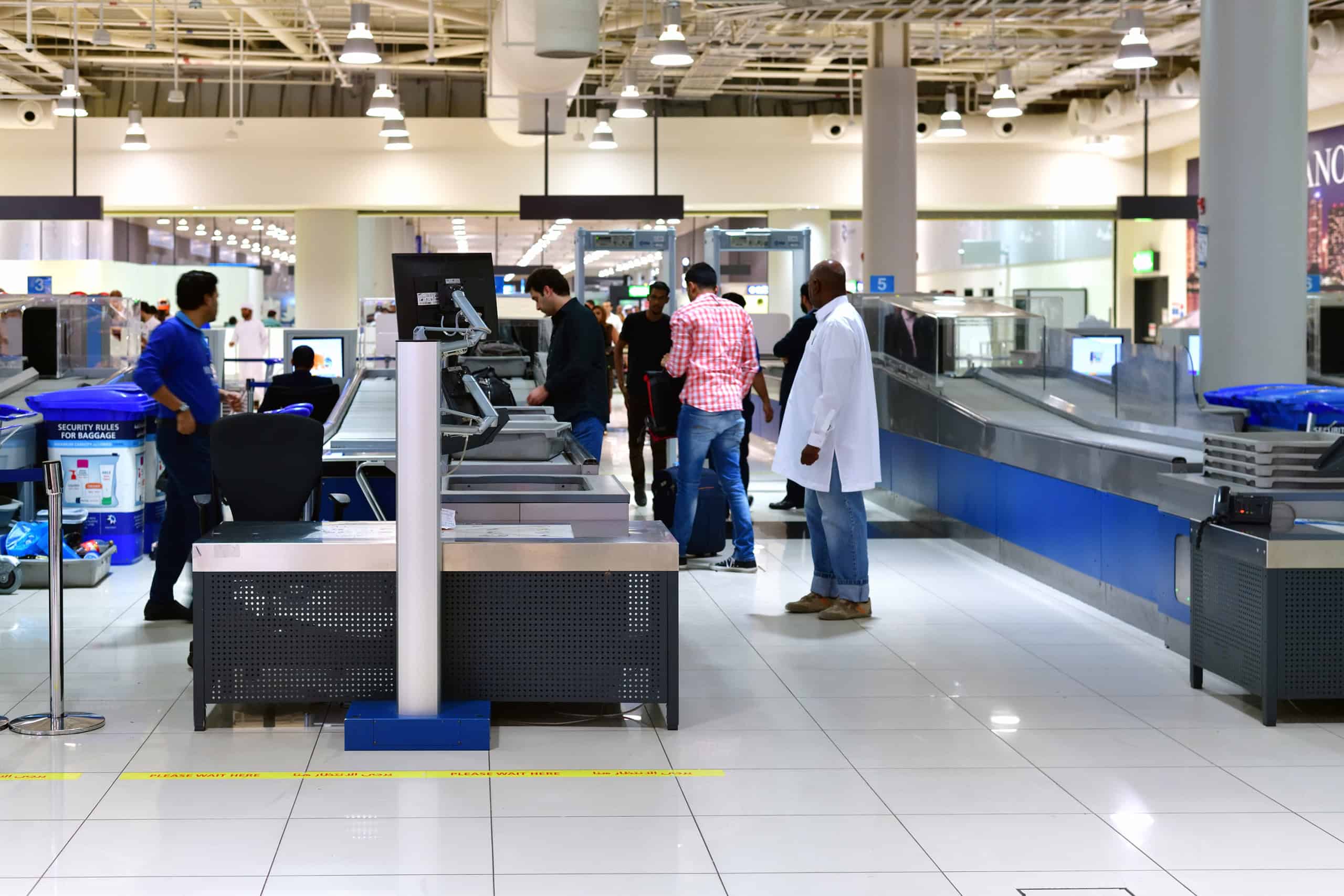
Read more … Dubai Airport Security – Ensuring Safe Travels and Efficient Screening
The Security Industry Regulatory Authority (SIRA) in Dubai is a regulatory body responsible for overseeing and maintaining private security standards in the Emirate. Intending to…
Read more … The Importance of the Security Industry Regulatory Authority (SIRA) in Dubai